Cart

Can engineered oak flooring be sanded and refinished?
Yes, a quality engineered oak floor can be sanded and refinished. A key factor is the thickness of the real oak remaining on top. This guide explains what to look for, how often a floor can be refreshed, and when a lighter recoat will do.
The short answer
Engineered oak can be sanded and refinished, as long as the wear layer (the solid oak bonded to the top of each board) is thick enough to take it. The floor’s condition and any previous sanding also need to be assessed. A floor with a generous wear layer can be sanded back to bare timber and refinished more than once over its life. A floor with a thin wear layer may take a single light sand, or none at all.
It is one of the few areas where engineered and solid oak behave differently in practice, and it is worth understanding before you choose. It decides how a floor ages, and how long it stays with you.
What determines whether engineered timber can be sanded
An engineered board is real oak on top, bonded to a stable core beneath. That construction is what gives engineered oak its stability: the core helps limit movement through changes in heat and humidity, while the surface is real oak. You can read how the layers work on our engineered timber flooring page.
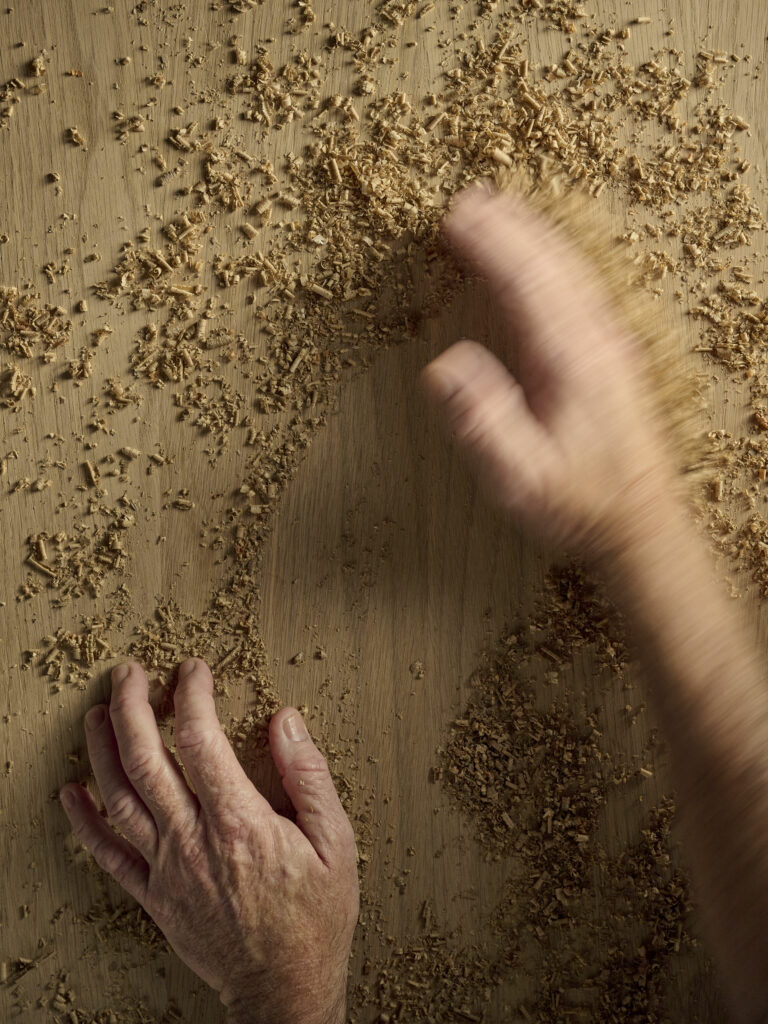
Sanding removes a fine layer of that oak to take out scratches, wear and surface marks, then a fresh finish goes back on. How much sound oak remains is a key limit, alongside the condition of the boards and any previous sanding. That top layer of oak is the wear layer, and its thickness helps determine the floor’s working life.
Why top-layer thickness is the thing that matters
A full sand removes some of that timber. The amount depends on the condition of the floor and the work needed. With a thick wear layer there may be enough oak to refinish more than once across decades of use. With a thin one, a single sand can be all the floor will safely allow, and going further risks cutting through to the core, which cannot be undone.
This is why the wear layer is the first thing to check on any engineered floor. It is the difference between a floor you refresh and keep, and one you eventually replace. A thicker wear layer costs nothing in everyday use, but it is the part of the board you are grateful for years later.
How many times can a Royal Oak floor be refinished?
Royal Oak floors are made with a thick European oak wear layer, so there is real timber there to work with. Where enough sound oak remains, a floor can be sanded back and refinished more than once across its life. Refinishing can refresh its appearance, although the original factory colour, texture and finish may not be reproduced exactly.
How many times depends on the remaining wear layer, any previous sanding, the floor’s condition and how much timber needs to be removed. A floor that is looked after, with maintenance suited to its finish, will need a full sand less often, which stretches the life of the timber further again. There is no single sanding count to apply to every floor.
The point is reassurance rather than arithmetic. A quality engineered oak floor is not a surface you use up and throw away. It is timber you keep, and the wear layer is what makes that possible.
When to refinish, and when a recoat is enough
Not every tired floor needs a full sand. There are two different jobs here, and knowing which one a floor needs saves the timber.
A screen and recoat lightly abrades the existing finish and applies a compatible fresh coat, without sanding back to bare oak. It may suit a floor whose finish has gone dull but has no deep scratches or exposed timber. It is not suitable for every finish: an experienced flooring professional should check the existing coating, any maintenance-product residue and adhesion before recommending it.
A full refinish sands back to bare oak and starts the finish again. It may be appropriate for deep scratches, marks that have reached the timber, or a change of colour. Water damage needs assessment first: sanding alone may not resolve it, and repairs or replacement boards may be needed. Because a full refinish removes oak, it draws on the wear layer.
The practical takeaway is simple: maintain the finish and reserve a full sand for when it is needed. Royal Oak’s lacquered and oiled floors have different care requirements, so follow the relevant finish-specific maintenance guide rather than assuming every floor needs the same recoat. Have an experienced flooring professional assess any sanding or recoating, because the depth of cut and compatibility of the new finish must be judged carefully.
Caring for the finish so you refinish less often
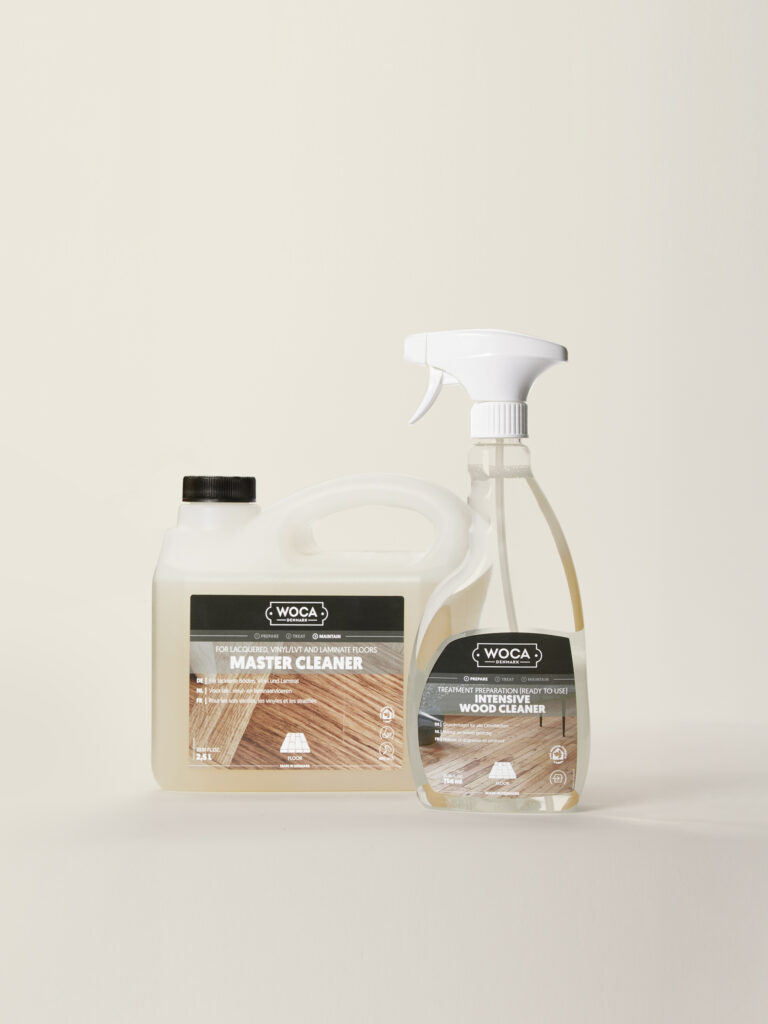
The less wear a finish takes, the longer the oak beneath it lasts. Day to day, that means soft pads under furniture, mats at the doors to catch grit, wiping up spills promptly, and cleaning with products made for a timber finish rather than harsh supermarket cleaners. Our guide to maintaining and caring for engineered timber flooring covers the routine in full.
Looked after this way, a quality engineered oak floor is a floor you keep. The finish carries the daily wear, appropriate maintenance helps preserve it, and the wear layer provides scope for refinishing when the floor needs it.
Explore our collections of engineered European oak flooring at Royal Oak Floors, made from FSC-certified oak to be lived on, refreshed, and kept for decades.