Cart

What to Look for in Engineered Timber Flooring: The Quintessential Guide
Engineered timber flooring, particularly oak flooring, has become the go-to choice for those who seek a blend of durability, sophistication, and eco-friendliness, while appreciating the beauty that real timber brings to the overall look and feel of their home.
The best engineered timber flooring is not determined by one feature alone. A substantial real-oak surface matters, but so do the materials beneath it, the way the board is finished and the quality of the technical information that supports it.
Look first to the details that can be verified: the thickness of the European oak layer, the board’s construction and the character of the grade when seen across a complete room. The finish, certification, installation requirements and care instructions should also be clear before the floor is ordered.

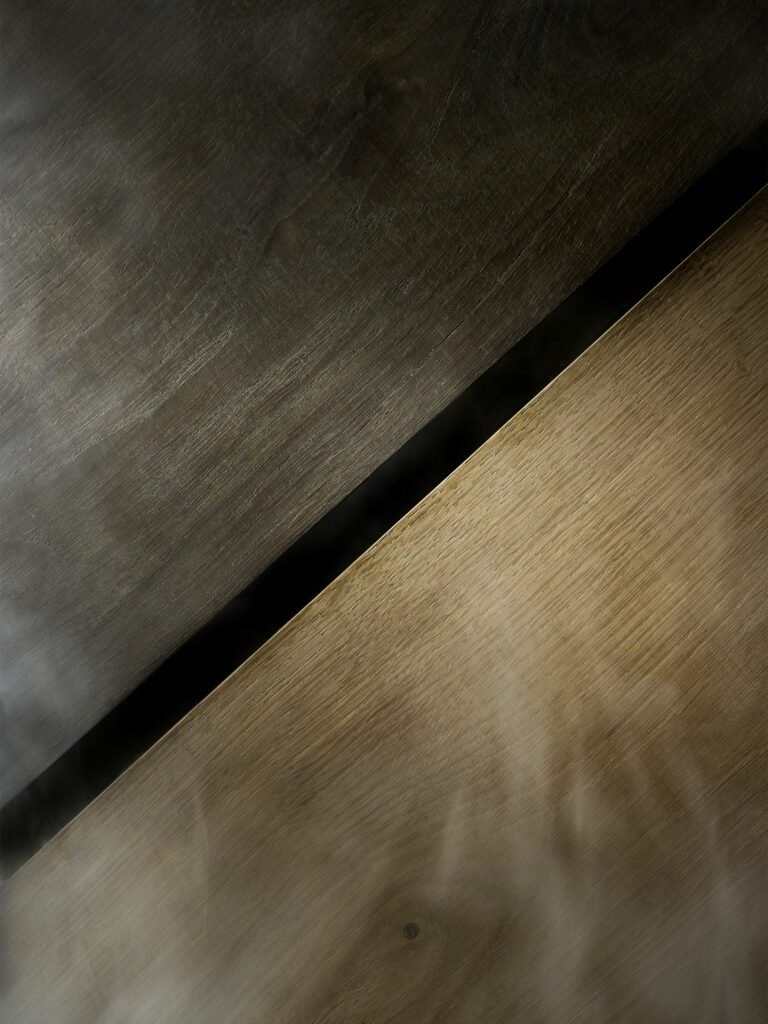
White Smoked Oak floorboards
What should you look for in engineered timber flooring?
Use this as a practical first review:
- A real oak wear layer of stated thickness: This determines how much genuine timber sits above the engineered core and whether the floor can be resanded in the future.
- A clearly explained board construction: The supplier should be able to describe the core, backing, total board thickness and joint system.
- A grade that suits the intended interior: Knots and colour variation are part of the design decision, rather than faults to be hidden.
- A finish selected for the way the space will be used: Lacquer and oil create different appearances and maintenance requirements.
- Traceable sourcing and relevant test information: Certification and documented product testing are more useful than broad environmental claims.
- Detailed installation and care guidance: Even a well-made board depends on appropriate specification, preparation and installation.
- Written support after selection: Samples, technical documents, care advice and clear warranty terms should be available before installation begins.
Each of these points should be considered together. A visually clean board is not necessarily the right board for every project, just as a thicker board is not automatically better without reference to the subfloor, room and installation method.
Begin with the room and how it will be used
Before comparing floorboards, define what the room will ask of them. The right specification responds to the conditions of the space as well as the appearance of the timber.
- Foot traffic: A quiet bedroom and a frequently used kitchen or entry place different demands on the finish and its maintenance needs.
- Sunlight: Direct natural light affects how an oak colour reads through the day and should be considered when samples are reviewed.
- Moisture and humidity: Confirm whether the chosen product, finish and installation system are appropriate for the room and its environmental conditions.
- The wider material palette: Review the oak beside joinery, stone, wall colours and fabrics rather than choosing it in isolation.
- Transitions and adjoining spaces: Board direction, thresholds, stairs and changes in floor finish should be resolved before installation.
These considerations help the Royal Oak team, designer and installer identify which construction, grade and finish should be reviewed for the project.
Start with the real oak wear layer
The wear layer is the real timber surface bonded above the engineered core. It is the part of the floor that you see, touch and live on.
Thickness matters because sanding removes a small amount of timber. A more substantial oak layer gives a qualified flooring professional more material to work with if the floor is resanded and refinished later in its life.
Royal Oak uses two constructions:
- 15mm floorboards: A 4mm layer of European oak over a three-layer construction core.
- 20mm floorboards: A 6mm layer of European oak over a multi-layer plywood core.
Both constructions use a birch plywood back for stability. The appropriate format depends on the selected product and the requirements of the project.
A fixed number of refinishes should not be promised without inspecting the floor. The answer depends on the original wear layer, the condition of the boards and how much timber has been removed during any previous work.
For more detail, explore our engineered timber flooring and see the board constructions on our production page.
Look beyond the surface to the board construction
Engineered oak combines a real timber surface with a layered core. The purpose of that construction is stability, but the details still need to be understood.
Our 20mm floorboards use a multi-layer plywood core, while our 15mm floorboards use a three-layer construction. Both have a birch plywood back. The boards are tongue-and-groove, end-matched and made with micro-bevelled edges.
Read those details alongside the installation specification. Before choosing a board, confirm:
- The total board thickness and oak-layer thickness.
- The construction used for that particular product.
- The intended installation method.
- The subfloor and preparation requirements.
- How transitions, stairs and adjoining finishes will be resolved.
- Whether any heating or environmental requirements apply.
The aim is to make sure the board, room and installation method have been considered as one system.
Choose the oak grade for the intended character
Grade describes the visible character of the oak. It influences the frequency and scale of knots, natural markings and colour variation.
It is primarily an aesthetic choice. A cleaner grade is not automatically more durable, and a character-rich grade is not a lower-quality material. The right grade supports the architecture and the desired level of natural variation.
Royal Oak describes three grades:
- Mixed Grade: Visible knots and colour variation create an expressive but balanced natural surface.
- Feature Grade: More frequent and pronounced knots, filled cracks and tonal variation make the character of the timber more evident.
- Premium Grade: Minimal knots and less variation create a quieter, cleaner appearance. Confirm availability for your project, as this is not a standard stock item.
Review more than one sample wherever possible. Timber naturally varies from board to board, so a small sample is useful for colour and finish but cannot show the full range of a grade. Full-board samples and completed project photography give a better sense of how the floor will read across a room.
See examples of all three grades in our oak grading criteria.

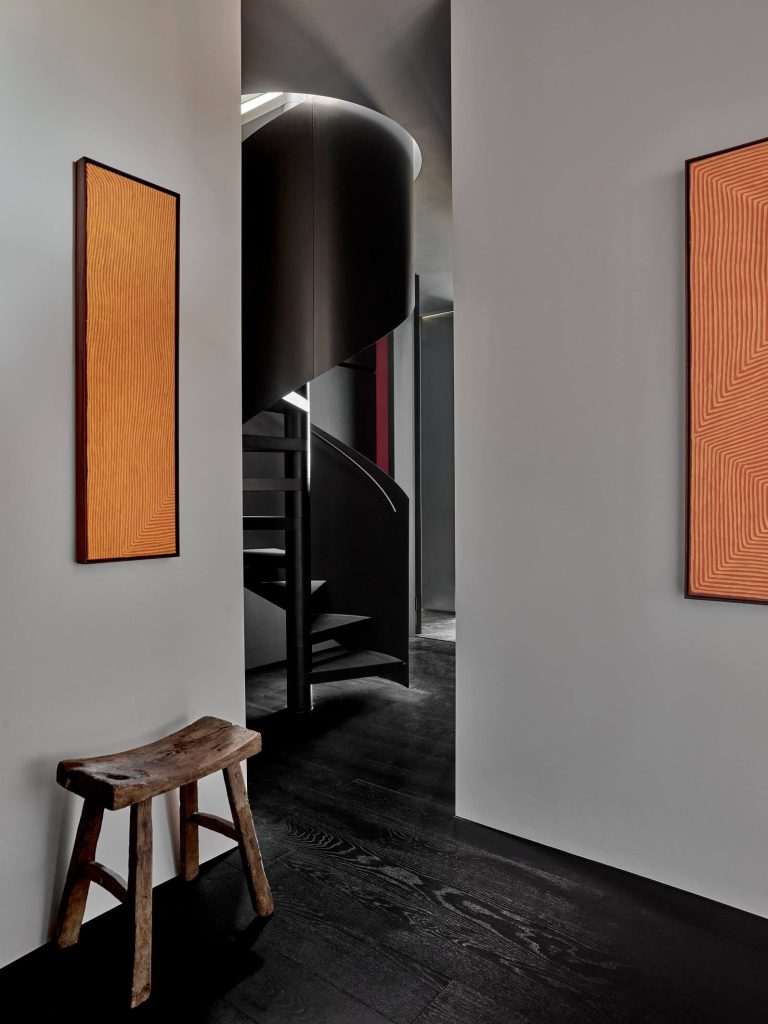
Peppercorn Grey Oak timber flooring
Understand how the finish affects the floor
The finish protects the oak surface and shapes how the floor looks and feels. It also affects the care the floor will require.
Royal Oak uses UV Lacquer, Oxidative Lacquer and Oil finishes across its flooring range. Lacquer and oil offer different surface appearances and maintenance requirements. Review the finish on the chosen product, alongside its care instructions, to understand how it will suit the space.
When assessing a finish, consider:
- What level of sheen and surface texture will it create?
- How should it be cleaned?
- Can local wear or damage be repaired?
- Will the finish change the apparent colour of the oak?
- What maintenance is expected in the rooms where it will be installed?
The answers should be specific to the chosen product. Generic advice about oiled or lacquered floors is less useful than the care instructions for the actual finish system.
Our guide to maintaining engineered timber flooring explains day-to-day care in more detail.
Check sourcing, certification and product testing
Responsible sourcing should be supported by recognised certification and clear product information.
Our timber components are sourced from FSC-certified forests. Ask for the certification information relevant to your chosen product when reviewing its sourcing.
The finish and adhesives matter as well as the timber. Royal Oak reports nearly zero VOC emissions from its water-based, UV-cured finishes and formaldehyde test results below the required standard. Our floorboards have also been fire tested to Australian Standards, with test results available on request.
Relevant certification, test information and technical documentation provide a clearer basis for selection than a broad environmental claim. Ask for the documents that apply to your chosen floor and the requirements of your project.
Read more about our sourcing and product testing.
Read the installation requirements before choosing
Installation is part of the floor’s performance. The subfloor, site conditions, set-out and installation method all affect the finished result.
The flooring installer, builder or relevant project team should review the installation specification early, rather than after the product has arrived.
Before ordering, confirm:
- Who is responsible for checking the site and subfloor.
- Which installation method applies.
- What site preparation is required.
- How the floor should be stored and handled before installation.
- Which tolerances and environmental conditions must be maintained.
- What installation and care conditions apply to the written warranty.
A clear technical specification allows the product, installer and project team to work from the same requirements.
Refer to our engineered oak flooring installation guidance for the current process and documents.
Questions to ask before you buy
Use these questions when selecting engineered timber flooring:
- How thick is the real oak wear layer?
- What is the total board construction for this product?
- Which oak grade am I viewing, and how much natural variation should I expect?
- Which finish is used, and what care does it require?
- Where is the timber sourced, and what certification supports that claim?
- Which emissions, fire or other product tests are available?
- What does the installation specification require?
- Can the floor be resanded, and what should be assessed first?
- What does the written warranty cover, and which conditions apply?
- Can I see full boards or completed projects as well as a small sample?
The answers should be specific, documented and relevant to the chosen product. Together, they provide a more complete measure of quality than any single claim about thickness, grade or finish.
Explore Royal Oak’s engineered oak floorboards, or order samples to consider the colour, grain and finish within your own space.